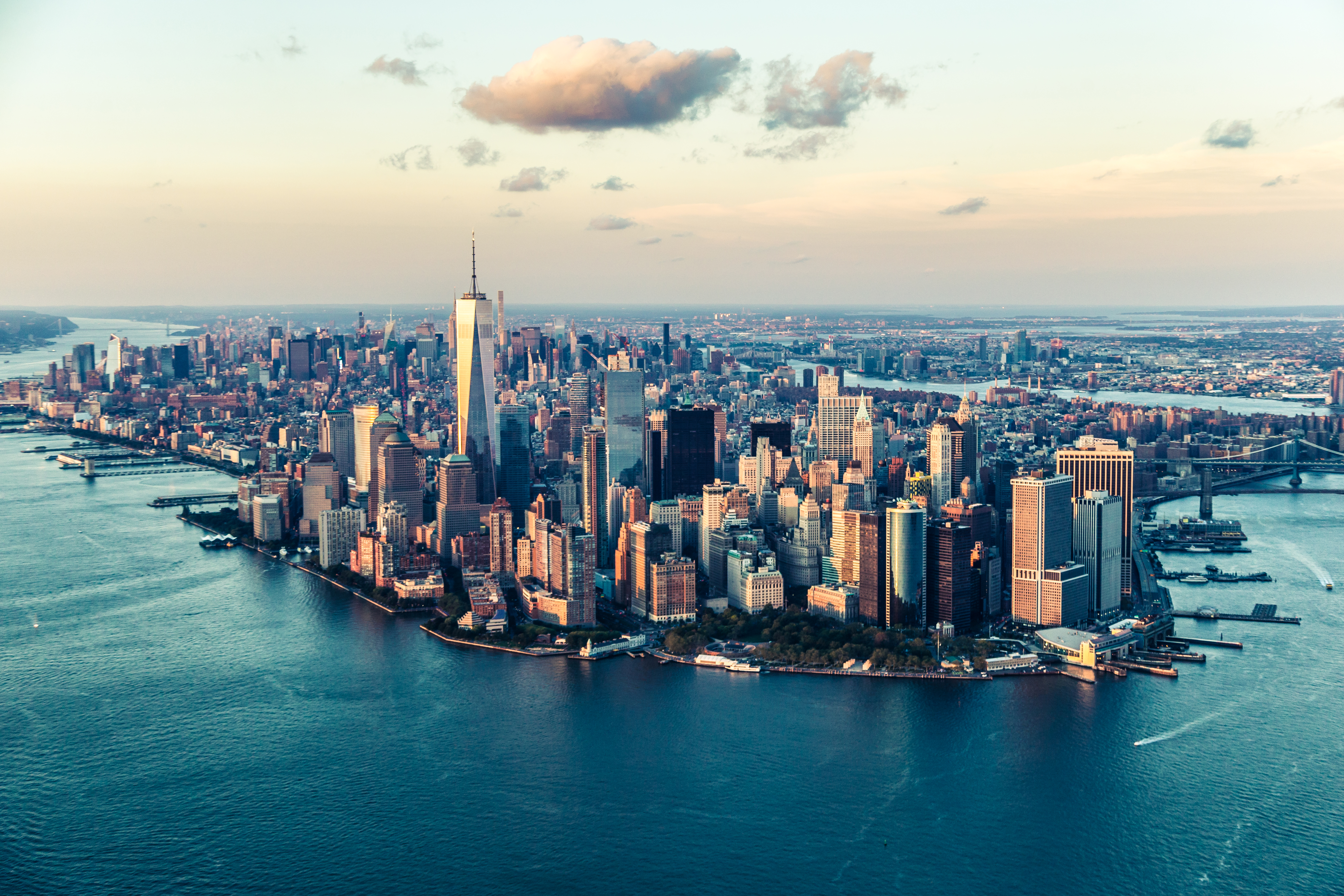

Buildings produce more greenhouse gases than you think
You may not realize amongst the hustle and bustle of city streets, that in most major cities the quieter but dominant source of emissions is actually the heating and cooling of the buildings themselves. Globally, this is – at least – the second largest source of emissions, but locally in NYC buildings it actually accounts for over 70% of the emissions. That’s a huge opportunity for impact!
NYC passed Local Law 97, with the goal to reduce building emissions by 40% by 2030 and reach net zero by 2050. The Law places a hefty fine on carbon emissions above certain thresholds, the first of which is rolling out in 2024 at $268/metric ton of CO2e above. While the city’s largest buildings are now required to meet new energy efficiency and greenhouse gas emissions limits, we find most building owners and operators don’t know where to start.
Understanding the Emission Sources
When we talk about “building emissions,” this actually can fall into two main categories. One third of building emissions are embodied carbon (emissions from construction using concrete, steel, etc) and two-thirds are operational emissions (from heating, cooling, and electrical use). Commercial buildings, for example, use boilers to burn an immense amount of natural gas or other petrochemical fuel to keep up the demand for heating and cooling. These gas powered systems not only generate tons of CO2, but also can leak methane, the chief constituent in natural gas, and a potent greenhouse gas that has >84 times the greenhouse gas effect of CO2.
The Long-term Path to Decarbonization
Buildings will need to transform to reach the long term vision of reaching net-zero emissions. Sustainable buildings run on renewable energy, have high quality insulation, and are fully electrified, with no natural gas. Retrofitting existing buildings to this standard can be a slow and expensive process, with a substantial amount of upfront costs and planning to make the change.
Immediate Solutions for Reducing Emissions
In the meantime, building owners can make immediate improvements to reduce their carbon emissions. Lightweight upgrades like LED light bulbs can tremendously reduce energy consumption, and monitoring systems can prevent leaks and improve the efficiency of existing assets.
Decarbonizing the built environment is an enormous and urgent task. That’s why Thalo Labs works with building owners and operators to measure, reduce, capture, and optimize carbon emissions from their existing infrastructure, to have a real impact today as we build for tomorrow. You can read more about our work here.